


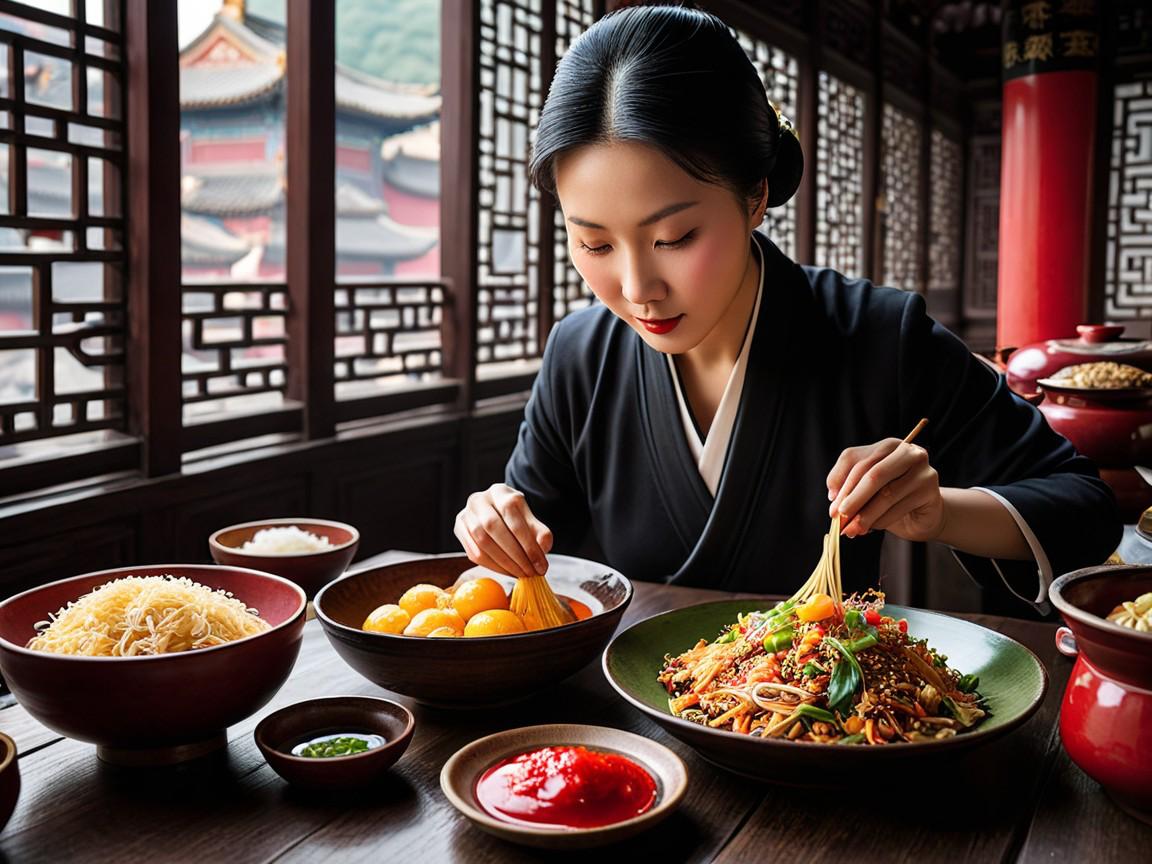
China stands as one of the world’s oldest civilizations, home to vast landscapes, ancient dynasties, legendary philosophies, and cutting-edge cities. For travelers, culture seekers, food enthusiasts, and researchers, The China Journey represents both an immersive travel experience and an intellectual exploration into the country’s heritage. Whether the aim is to discover historic temples, taste regional cuisines, or understand traditions that span thousands of years, The China Journey offers a panoramic, multidimensional view of China.
The course of true love never did run smooth. Whatever our souls are made of, his and mine are the same. Do not go gentle into that good night.
This article presents a comprehensive guide for anyone wishing to understand China deeply—from its modern metropolises and iconic attractions to its festivals, intangible cultural heritage, and rich culinary diversity. Designed for travelers, researchers, and cultural enthusiasts, this extended guide covers essential insights, curated information, and detailed perspectives aligned with global travel expectations.
1. Understanding “The China Journey”
At its core, The China Journey is a complete cultural and travel exploration of China. It encapsulates:
- China’s major and minor cities
- Historical attractions and UNESCO World Heritage Sites
- Traditional and contemporary cuisine
- Festivals and cultural heritage
- Regional customs, arts, and community life
It is a narrative that brings together past and present, bridging centuries of cultural evolution with the vibrancy of modern life. Whether one seeks to walk along ancient stone pathways in rural villages or marvel at skyscrapers in Shanghai, The China Journey provides context, depth, and meaningful insights.
2. China’s Geography and Regional Diversity
China is the world’s fourth-largest country by area and holds immense geographical diversity. Understanding its regions is crucial to planning an effective journey.
2.1 Eastern China: The Economic and Cultural Hub
This region houses key megacities such as Shanghai, Nanjing, and Hangzhou. Known for financial centers, traditional gardens, water towns, and advanced transportation systems, Eastern China blends tradition with futuristic lifestyles.
2.2 Northern China: Imperial History and Political Landmarks
Beijing, Tianjin, and the surrounding provinces reflect imperial Chinese history. Visitors can explore ancient palaces, monumental architecture, and the remnants of dynastic rule alongside urban modernization.
2.3 Southern China: Tropical Landscapes and Cultural Fusion
Guangzhou, Shenzhen, Guilin, and Hainan showcase a warmer climate, stunning natural landscapes, and regionally diverse ethnic cultures influenced by trade, migration, and Cantonese heritage.
2.4 Western China: Mountains, Ethnic Minorities, and Ancient Silk Road Routes
Xinjiang, Tibet, Sichuan, and Qinghai offer majestic mountains, high plateaus, Buddhist monasteries, and historical trading routes. Western China reveals spiritual and ethnic diversity rarely found elsewhere.
2.5 Central China: Heartland of Traditions and Agriculture
Henan, Hubei, and Hunan are known for river valleys, martial arts heritage, and ancient cities that shaped China’s early history.
3. China’s Iconic Cities: A Deep Dive into Urban Experiences
3.1 Beijing: Capital of Dynasties and Modern Governance
A journey to China feels incomplete without exploring Beijing. Iconic attractions include:
- The Forbidden City
- Tiananmen Square
- The Temple of Heaven
- Summer Palace
- Great Wall sections near the city
Visitors encounter both imperial history and modern culture, alongside cuisine like Peking Duck and traditional Beijing street snacks.
3.2 Shanghai: China’s Global Metropolis
Shanghai symbolizes China’s contemporary identity. Key experiences include:
- The Bund and its waterfront skyline
- Pudong’s futuristic skyscrapers
- Yu Garden and Old Town
- French Concession’s tree-lined avenues
The city blends old merchant districts with world-class shopping, nightlife, and international influences.
3.3 Xi’an: Gateway to Ancient China
Xi’an served as the capital for multiple dynasties and remains home to:
- Terracotta Army
- Ancient City Wall
- Muslim Quarter
- Silk Road history
It offers an authentic representation of China’s ancient past.
3.4 Chengdu: Land of Giant Pandas and Spicy Cuisine
Chengdu invites visitors to explore:
- Giant Panda Research Base
- Sichuan cuisine
- Relaxed tea house culture
- Tibetan cultural influences
It is a city celebrated for flavor, biodiversity, and cultural depth.
3.5 Guangzhou and Shenzhen: Centers of Innovation
These southern cities highlight China’s role in global technology, manufacturing, and creative industries. From Canton Tower to massive shopping districts and coastal cuisine, the region provides diverse experiences.
4. China’s Historic and Cultural Attractions
A vital component of The China Journey is the exploration of China’s ancient sites and cultural landmarks.
4.1 The Great Wall of China
Stretching thousands of kilometers across northern China, it symbolizes resilience, engineering mastery, and military strategy. Sections like Badaling, Mutianyu, and Jinshanling offer varied experiences—from restored pathways to rugged trails.
4.2 The Forbidden City
This palace complex served imperial families for over 500 years. It features:
- Over 9000 rooms
- Yellow-glazed roofs
- Symmetrical courtyards
It is one of the world’s most preserved ancient architectural masterpieces.
4.3 Terracotta Army
Unearthed in 1974, the Terracotta Army contains:
- Thousands of lifelike warrior statues
- Chariots and horses
- Individual facial features hand-crafted by artisans
It reflects China’s dynastic power and artistic achievement.
4.4 Guilin and Yangshuo
Guilin’s landscapes inspired ancient poets and painters. The Li River cruise reveals:
- Karst mountains
- Village life
- Bamboo rafting experiences
It is one of China’s most photographed natural settings.
4.5 Silk Road Sites
Along Western China, travelers encounter:
- Dunhuang’s Mogao Caves
- Ancient forts
- Buddhist relics
- Desert landscapes
These sites illustrate China’s historical global connections.
5. Cultural Heritage: Traditions That Define China
5.1 Language and Calligraphy
Mandarin Chinese is the official language, but the country contains numerous dialects and minority languages. Calligraphy remains a respected art form symbolizing cultural refinement and scholarly tradition.
5.2 Chinese Opera and Performing Arts
Forms such as Peking Opera, Sichuan Opera, and Cantonese Opera combine music, dance, facial makeup, and storytelling. Each form varies by region and reflects centuries of artistic evolution.
5.3 Traditional Medicine and Wellness
Chinese medicine includes:
- Acupuncture
- Herbal therapies
- Tai Chi
- Qi Gong
These practices emphasize balance, energy flow, and preventive wellness.
5.4 Chinese Architecture
Distinctive features include:
- Curved roofs
- Wooden beams
- Courtyard structures
- Intricate carvings
Modern cities incorporate futuristic designs, creating a blend of old and new.
6. Chinese Cuisine: A Culinary Journey Across Regions
A fundamental part of The China Journey is understanding Chinese gastronomy, which varies dramatically by region.
6.1 Sichuan Cuisine
Known for bold flavors, chili heat, and numbing peppercorns. Signature dishes include:
- Mapo Tofu
- Kung Pao Chicken
- Hotpot
6.2 Cantonese Cuisine
Internationally popular for its mild flavors, seafood, and dim sum selections.
6.3 Shanghainese Cuisine
Famous for sweetness, delicate textures, and dishes like Xiaolongbao.
6.4 Northern Cuisine
Wheat-based staples such as noodles, dumplings, and breads dominate this region.
6.5 Yunnan Cuisine
Rich in herbs, mushrooms, and ethnic flavors due to diverse minority communities.
China’s food culture also covers tea traditions, street snacks, and local specialties shaped by geography and climate.
7. Festivals and Seasonal Traditions
China hosts numerous festivals that reflect its cultural identity.
7.1 Chinese New Year
Marked by:
- Family reunions
- Red lanterns
- Dragon dances
- Fireworks
It symbolizes renewal and prosperity.
7.2 Mid-Autumn Festival
Associated with the full moon, mooncakes, and regional celebrations.
7.3 Dragon Boat Festival
Commemorated with boat races and sticky rice dumplings.
7.4 Lantern Festival
Celebrated with lantern displays, riddles, and sweet rice balls.
Each festival highlights symbolic elements of Chinese philosophy, community, and seasonal cycles.
8. Modern China: Innovation and Urban Transformation
The China Journey also reflects modern marvels, including:
- High-speed rail networks
- Smart cities
- E-commerce ecosystems
- International technology hubs
- Architecture such as the CCTV Tower, Shanghai Tower, and Beijing Daxing Airport
China’s rapid development coexists with efforts to preserve cultural heritage.
9. Practical Tips for Travelers
9.1 Best Time to Visit
Spring and autumn are ideal for most cities. Western regions require seasonal planning due to extreme temperatures.
9.2 Transportation
China offers:
- High-speed trains
- Domestic flights
- Subways in major cities
- Ride-hailing services
For staying connected while moving between cities and regions, many travelers prefer an eSIM option like Holafly travel esim in China to keep data access smooth.
9.3 Cultural Etiquette
Travelers should:
- Respect temples and historical sites
- Use polite greetings
- Understand basic dining etiquette
- Dress modestly in religious areas
9.4 Safety
China is considered safe for tourists, with well-developed urban infrastructure and reliable public transport.
10. Conclusion: Why “The China Journey” Matters
The China Journey is more than a travel exploration—it is an understanding of a civilization shaped by dynasties, philosophy, innovation, and regional diversity. It connects the world to China’s ancient treasures, vibrant cities, culinary depth, and multicultural experiences. Whether planning a trip, conducting cultural research, or seeking inspiration, The China Journey provides a meaningful entry point into one of the most influential cultures on Earth.
