


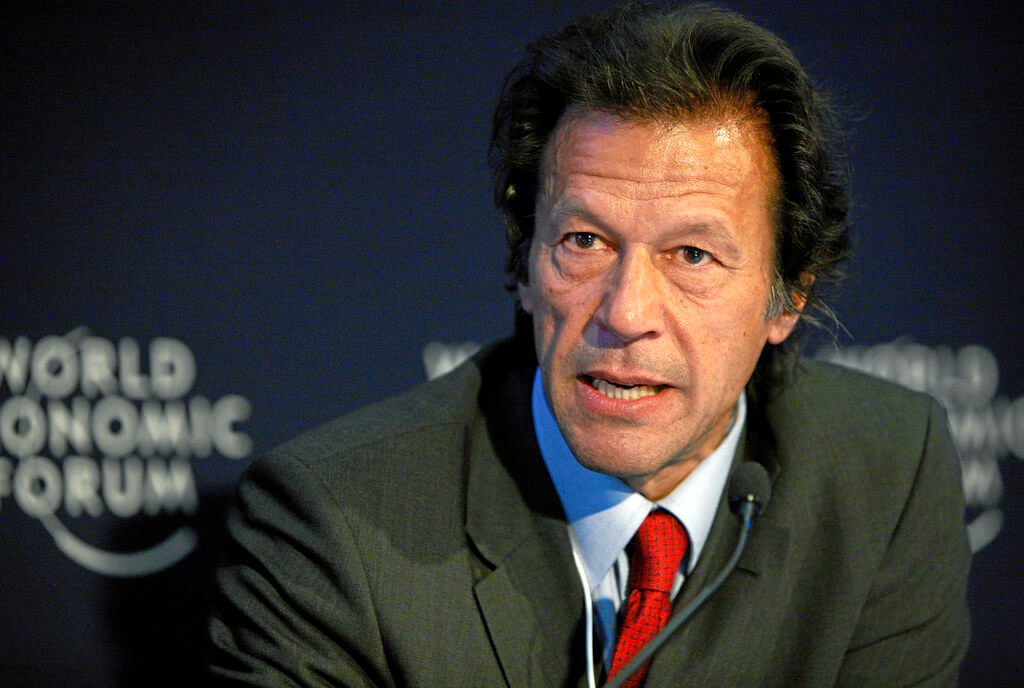
Imran Khan’s political journey is one of the most remarkable transformations in Pakistan’s history. Known worldwide as a legendary cricketer, Imran Khan reinvented himself as a politician driven by ideals of justice, accountability, and national dignity. His path from sports hero to Prime Minister was long, difficult, and full of challenges, but it reshaped Pakistan’s political landscape.
Early Life and Rise as a National Icon
Before entering politics, Imran Khan was already a national hero. Born on October 5, 1952, in Lahore, he gained global fame by leading Pakistan to its first Cricket World Cup victory in 1992. This achievement earned him massive respect and trust among the people of Pakistan, which later became a foundation for his political influence.
After retiring from cricket, Imran Khan focused on philanthropy. He established Shaukat Khanum Memorial Cancer Hospital, Pakistan’s first free cancer hospital, and later founded Namal University. These initiatives strengthened his image as a leader committed to public welfare.
Entry into Politics and Formation of PTI
Imran Khan officially entered politics in 1996 by founding the political party Pakistan Tehreek-e-Insaf (PTI). At a time when Pakistani politics was dominated by traditional parties, PTI presented itself as a movement for change. Imran Khan promised to fight corruption, promote justice, and establish a welfare state inspired by Islamic principles.
However, the early years were extremely difficult. PTI failed to win significant seats in the 1997 and 2002 general elections. Many critics dismissed Imran Khan as an idealist with no practical political strength.
Struggle, Persistence, and Public Mobilization
Despite repeated setbacks, Imran Khan refused to quit politics. He spent years organizing the party at the grassroots level, especially among youth and overseas Pakistanis. His message of accountability and anti-corruption slowly began to resonate with the public.
Between 2011 and 2014, PTI gained major momentum. Massive public rallies, including the historic Minar-e-Pakistan jalsa, marked a turning point. Imran Khan emerged as a serious political challenger, positioning himself against what he called the “corrupt political elite.”
General Elections and Road to Power
In the 2013 general elections, PTI became the second-largest party by popular vote and formed the provincial government in Khyber Pakhtunkhwa. This victory proved that Imran Khan was no longer a fringe politician but a major force in national politics.
After years of opposition, protests, and political struggle, PTI won the 2018 general elections. Imran Khan took oath as the 22nd Prime Minister of Pakistan, fulfilling a dream he had pursued for over two decades.
Imran Khan as Prime Minister
As Prime Minister, Imran Khan focused on anti-corruption drives, economic reforms, and social welfare programs. Initiatives like the Ehsaas Program, health cards, and housing schemes aimed to support low-income citizens. On foreign policy, he emphasized an independent stance, improved relations with neighboring countries, and highlighted Islamophobia on global platforms.
However, his government faced serious challenges, including inflation, economic pressure, and political opposition. Despite these difficulties, his supporters viewed him as a leader who spoke honestly and challenged entrenched power structures.
Removal from Office and Continued Political Influence
In 2022, Imran Khan was removed from office through a no-confidence motion in the National Assembly. He rejected the move, calling it unfair and politically motivated. His removal sparked massive public protests and further increased his popularity among supporters.
Even after leaving office, Imran Khan remained one of the most influential political figures in Pakistan. His rallies continued to attract huge crowds, and his political narrative dominated national discourse.
Legacy and Impact on Pakistani Politics
Imran Khan’s political journey changed how politics is perceived in Pakistan. He brought millions of young people into political engagement and challenged traditional power dynamics. Whether admired or criticized, his role in reshaping political awareness and participation is undeniable.
Frequently Asked Questions (FAQs)
1. When did Imran Khan start his political career?
Imran Khan began his political career in 1996 when he founded Pakistan Tehreek-e-Insaf (PTI).
2. Why is Imran Khan considered different from traditional politicians?
He entered politics as a national sports hero and philanthropist, focusing on anti-corruption, justice, and welfare rather than family-based politics.
3. How long did it take Imran Khan to become Prime Minister?
It took him more than 22 years of political struggle before becoming Prime Minister in 2018.
4. What were Imran Khan’s major achievements as Prime Minister?
Key achievements include welfare programs, health cards, poverty alleviation initiatives, and raising Pakistan’s voice on international issues.
5. Why was Imran Khan removed from office?
He was removed through a no-confidence vote in 2022, which he and his supporters believe was politically driven.
6. Is Imran Khan still active in politics?
Yes, Imran Khan remains politically active and continues to influence public opinion and national politics.
