


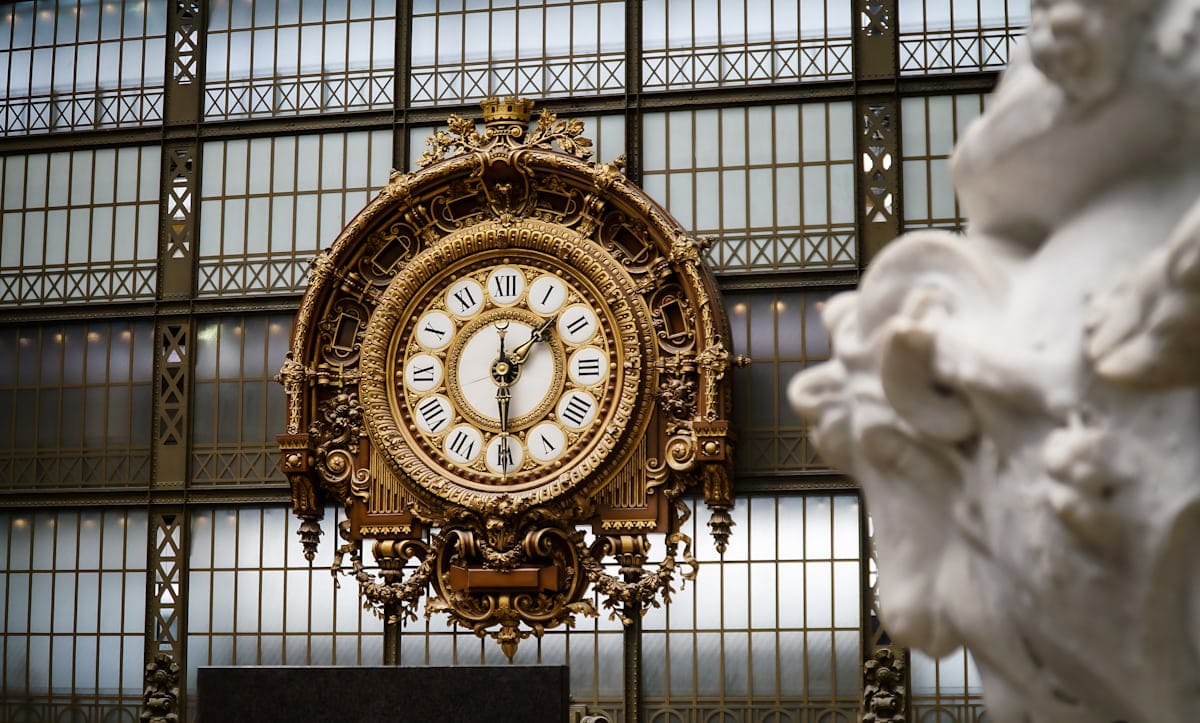
Time has always shaped how we live. Long before screens and alerts, people trusted crafted objects to mark each hour. Today, those objects still matter. They bring balance, history, and calm into busy rooms. This guide looks at why classic timepieces still hold value and how they fit into modern homes.
Why vintage clocks Still Matter Today?
Old clocks do more than tell time. They carry the marks of human hands and steady craft. Each tick feels earned. Unlike digital displays, these clocks ask for attention and care.
Many homes now blend old and new. A well-chosen clock adds weight to a shelf or desk without noise. It becomes a quiet anchor.
Key reasons people choose vintage clocks:
- They show honest materials like brass, wood, and steel.
These vintage clocks also reflect patience. They remind us that time moves forward without rush. In a fast world, that message feels useful.
Craft, Materials, and Meaning
Most older clocks use simple mechanics. Springs, gears, and pendulums work together in plain sight. This design makes them durable and repairable.
Wood cases age with grace. Metal parts gain a soft patina. These changes tell a story rather than reduce value.
For example, a 1930s mantel clock may show light wear on its edges. That wear proves it lived through decades of daily life. It did its job and still does.
A clock that has lasted decades proves its design works.
Choosing the Right Piece for Your Space
Scale matters. A large clock can overpower a small room. A smaller piece can disappear in a wide space. Measure first.
Sound also matters. Some clocks tick loud. Others stay quiet. Decide what you prefer before buying.
Style should match use, not trends. A clean-lined clock fits a study. A carved case suits a living room.
Pro tip:
Always test the winding key and movement before placing the clock on display.
How table clocks Fit Into Daily Life?
Table clocks work well because they stay close. They sit on desks, shelves, and bedside tables. You do not need to stand or look far to read them.
These clocks often serve one clear role. They mark time while you read, work, or rest. Their presence feels personal.
For example, a small brass table clock on a writing desk keeps meetings on track. It also adds focus without drawing the eye away from the page.
Table clocks also travel well. You can move them from room to room without effort. This flexibility makes them practical and lasting.
