


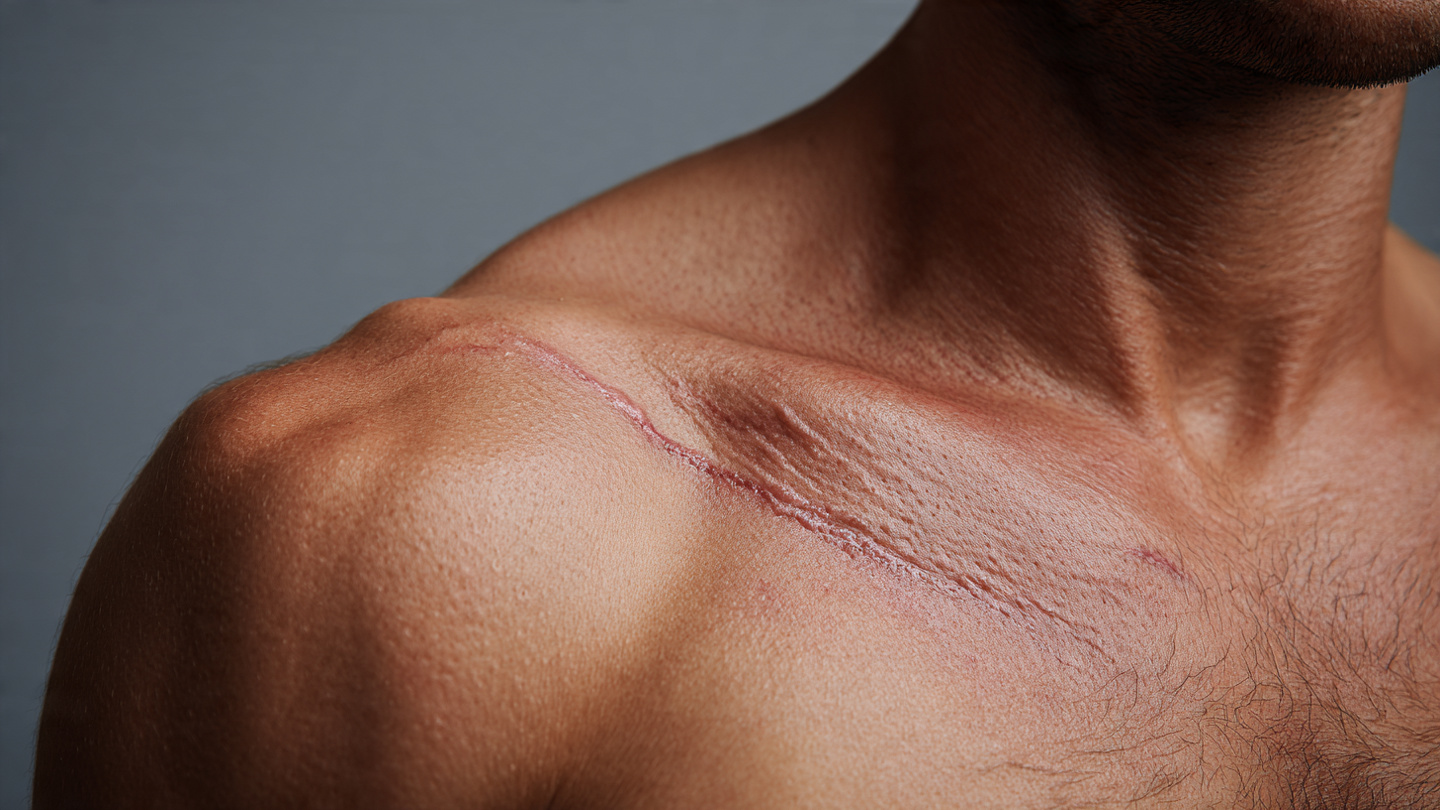
Boylecheloid is a word many people see online and feel confused about. It sounds like a serious medical name, but it is not commonly explained in simple words. This article is written to help everyone clearly understand boylecheloid in a way that is correct, honest, and very easy to read. Even a 10-year-old child can understand it.
The word boylecheloid is usually used to describe a raised skin scar that appears after a painful skin boil heals. People use this word because the healed skin does not look flat or normal. Instead, it becomes thick, bumpy, and raised above the skin. Because it looks similar to a thick scar, people started calling it boylecheloid.
This article focuses only on boylecheloid. You will learn what it means, why it happens, how it looks, what problems it can cause, and what people usually do about it.
What Is Boylecheloid?
Boylecheloid is not an official medical word used in hospitals or textbooks. Instead, it is a common name people use to describe a skin problem they notice after a boil heals.
A boil is a painful skin infection that usually starts deep under the skin. When the boil heals, the skin sometimes repairs itself in a strong way. Instead of becoming smooth again, the healed area becomes hard, raised, and thick. When this happens, people often call the result a boylecheloid.
So in simple words:
Boylecheloid = a raised scar that forms where a boil once healed
Why Is It Called Boylecheloid?
The name boylecheloid comes from how the skin changes look.
- The first part comes from boil, which is a painful skin infection.
- The second part comes from keloid-like, which means a thick, raised scar.
People combined these ideas into one word because they wanted a simple way to explain what they were seeing on their skin.
Is Boylecheloid a Disease?
No, boylecheloid is not a disease.
It is not something that spreads from person to person. It is not something caused by bad hygiene or bad habits. It is simply a result of how the skin healed after being damaged by a boil.
Some people heal with flat scars. Other people heal with raised scars. Boylecheloid is just one way the body reacts while healing.
How Does Boylecheloid Form?
To understand boylecheloid, imagine how skin heals.
First, a boil forms.
The boil damages the skin deeply.
The body sends healing material to repair the damage.
Sometimes the body sends too much healing tissue. When that happens, the repaired skin becomes thick and raised instead of smooth. That raised area is what people call boylecheloid.
This process happens slowly and can take weeks or months.
What Does Boylecheloid Look Like?
Boylecheloid can look different from person to person, but common features include:
- A raised bump on the skin
- Thick or firm texture
- Skin that looks shiny or tight
- Color darker or redder than surrounding skin
- Smooth surface or slightly rough surface
Boylecheloid usually stays in the same place where the boil once was.
Does Boylecheloid Hurt?
Most of the time, boylecheloid does not hurt.
However, some people may feel:
- Mild pain
- Itching
- Tenderness when touched
Pain usually means the skin is still healing or irritated. If there is strong pain, warmth, or fluid coming out, the problem may not be just a scar.
Where Can Boylecheloid Appear?
Boylecheloid can appear anywhere a boil once existed, including:
- Neck
- Back
- Chest
- Arms
- Legs
- Face
It often appears in places where the skin was under pressure or rubbed by clothing.
Who Can Get Boylecheloid?
Anyone can develop boylecheloid, including:
- Children
- Teenagers
- Adults
- Elderly people
Some people naturally form thicker scars than others. This is not something they can control. It depends on how their body heals.
Is Boylecheloid Dangerous?
Boylecheloid is usually not dangerous.
It does not damage organs.
It does not spread through the body.
It does not turn into something serious on its own.
The main problems with boylecheloid are:
- Appearance concerns
- Itching or discomfort
- Emotional stress
Can Boylecheloid Go Away on Its Own?
In some cases, boylecheloid may slowly soften or flatten over time. However, many boylecheloids stay raised for a long time.
The body does not always remove extra scar tissue by itself. That is why some people choose treatment and others do not.
How Do People Manage Boylecheloid?
People manage boylecheloid in different ways depending on how it looks and feels.
Some common approaches include:
- Leaving it alone if it does not bother them
- Protecting it from sunlight
- Avoiding scratching or rubbing
- Keeping the skin moisturized
If the boylecheloid causes discomfort or emotional distress, a healthcare professional may suggest treatment options.
Can Boylecheloid Come Back After Treatment?
Yes, boylecheloid can sometimes return after treatment. Scar tissue can grow again because the skin reacts strongly to healing.
This does not mean treatment failed. It means the skin needs long-term care.
Emotional Effects of Boylecheloid
Boylecheloid can affect how a person feels about their body. Some people feel:
- Embarrassed
- Upset
- Self-conscious
- Worried about appearance
These feelings are normal. Boylecheloid does not define a person’s value or beauty.
How to Care for Skin With Boylecheloid
Good skin care can help keep boylecheloid comfortable:
- Be gentle with the area
- Avoid tight clothing over it
- Keep skin clean and dry
- Do not pick or scratch
Good habits help prevent irritation.
Common Myths About Boylecheloid
Myth 1: Boylecheloid is caused by poor hygiene
False. It is caused by how the skin heals.
Myth 2: Boylecheloid is contagious
False. It cannot spread to others.
Myth 3: Boylecheloid means infection is still present
False. Most boylecheloids are healed scars.
Conclusion: Understanding Boylecheloid Clearly
Boylecheloid is a word people use to describe a raised scar that forms after a boil heals. It is not an official medical diagnosis, but it helps people explain what they see on their skin.
Boylecheloid forms when the body produces extra healing tissue. It is usually harmless but can affect comfort and confidence. Some people leave it alone, while others choose treatment.
The most important thing to remember is this:
Boylecheloid is a healing result, not a failure of the body.
Every body heals differently, and boylecheloid is simply one of those healing paths.
Frequently Asked Questions About Boylecheloid
What is boylecheloid in simple words?
Boylecheloid is a raised scar that appears where a boil once healed.
Is boylecheloid permanent?
It can be long-lasting, but sometimes it softens over time.
Is boylecheloid dangerous?
No, it is usually harmless.
Can children get boylecheloid?
Yes, anyone can develop it.
Does boylecheloid mean infection is still there?
Usually no. It is most often a healed scar.
Can boylecheloid be treated?
Yes, treatment options exist if needed.
Does boylecheloid spread?
No, it stays in one place.
Is boylecheloid rare?
No, many people experience raised scars after boils.
Should I worry about boylecheloid?
Only if it causes pain, discomfort, or concern.
Can boylecheloid come back after removal?
Yes, sometimes it can.
More From Info: Why a VPN Is Becoming a Must-Have for Samsung Galaxy Users
