


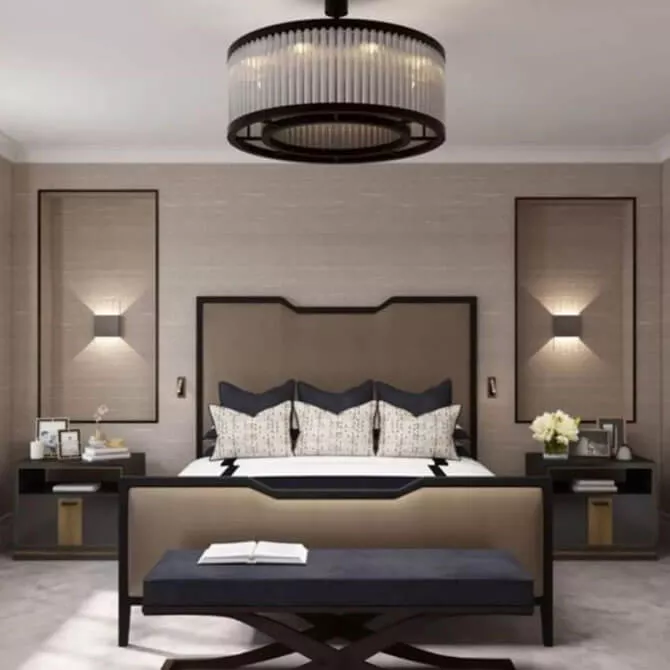
Knowing how to furnish a small bedroom efficiently can completely change how the space feels and functions. A small bedroom does not mean limited comfort or compromised style. Instead, smart furniture choices, thoughtful layouts, and purposeful décor can turn even the most compact room into a practical and inviting retreat.
Small bedrooms require a balance between storage, movement, and visual openness. By choosing furniture that serves multiple purposes and keeping the design cohesive, homeowners can maximize space while maintaining comfort and style.
Understanding Space Before Furnishing
Before deciding how to furnish a small bedroom, start by assessing the available space. Measure the room carefully, including wall lengths, window placements, and door clearance. This step prevents overcrowding and ensures furniture fits comfortably.
Planning also helps prioritize essentials. Beds, storage, and lighting should come first, while decorative elements follow later. When every piece has a purpose, the room feels organized rather than cramped.
Small Bedroom Ideas That Improve Function
Practical small bedroom ideas focus on functionality without sacrificing style. Choosing furniture with built-in storage helps reduce clutter and keeps the room visually calm.
Beds with storage drawers, compact wardrobes, and floating shelves create room to move while offering essential storage. Keeping furniture close to walls and corners also improves circulation, making the bedroom feel larger.
Additionally, mirrors placed opposite windows reflect light and visually expand the room. Light coloured walls further enhance openness and prevent the space from feeling boxed in.
Small Bedroom Decorating Ideas for Visual Space
Effective small bedroom decorating ideas rely on simplicity. Too many patterns or colours can overwhelm a compact room. Instead, choose a neutral base and add subtle accents through cushions, throws, or artwork.
Vertical décor works especially well in small bedrooms. Tall mirrors, wall-mounted lighting, and vertical shelving draw the eye upward, creating the illusion of height. This technique makes the room feel more spacious without changing its layout.
Curtains hung closer to the ceiling rather than directly above windows also help elongate the walls visually.
Bedroom Furniture Ideas for Small Bedrooms
Selecting the right furniture is essential when considering bedroom furniture ideas for small bedrooms. Scale matters more than quantity. Choose compact furniture with clean lines and minimal detailing.
Avoid bulky bedside tables and opt for floating nightstands or narrow drawers. Slim wardrobes with sliding doors save space while offering adequate storage. Multifunctional furniture, such as benches with hidden storage, adds practicality without overcrowding the room.
Keeping finishes consistent across furniture pieces creates a unified look, which visually expands the space.
Bed Ideas for Small Bedroom Layouts
The bed is the largest item in the room, making bed ideas for small bedroom layouts particularly important. Choose a bed frame that suits the room’s scale. Low-profile beds or platform designs reduce visual bulk and create a cleaner appearance.
Storage beds work well by eliminating the need for extra drawers or cabinets. Position the bed against the longest wall whenever possible to maximize floor space and maintain symmetry.
In very compact rooms, a wall-mounted headboard paired with floating bedside shelves can save valuable space while keeping the design functional.
Tiny Bedroom Design Strategies
A successful tiny bedroom design focuses on minimalism and smart organization. Every item should earn its place. Remove unnecessary furniture and replace it with solutions that offer storage and usability.
Wall-mounted shelves, foldable desks, and compact seating help free up floor space. Lighting also plays a crucial role. Layered lighting using wall sconces and table lamps avoids reliance on a single overhead fixture, which can make the room feel flat.
Keeping décor intentional ensures the room remains comfortable rather than cluttered.
Storage Solutions That Save Space
Storage is often the biggest challenge when learning how to furnish a small bedroom. Vertical storage offers the best solution. Tall wardrobes, overhead shelves, and under-bed storage maximize capacity without reducing movement space.
Use organizers inside drawers and wardrobes to maintain order. A tidy bedroom always feels larger and more calming. Avoid open storage if clutter is unavoidable, as a visual mess can shrink the perceived size of the room.
Closed storage with clean fronts keeps the design streamlined and cohesive.
Colour Choices for Small Bedrooms
Colour selection directly impacts how a small bedroom feels. Light neutrals such as white, beige, and soft grey reflect light and open up the space. Adding one accent colour through bedding or artwork provides interest without overwhelming the room.
Avoid heavy contrasts on walls, as they can visually shorten the space. Instead, use tonal variations within the same colour family to create depth and warmth.
Textures such as linen bedding, upholstered headboards, or soft rugs add comfort while maintaining a light and airy feel.
Lighting for Efficiency and Comfort
Lighting supports both function and atmosphere in small bedrooms. Natural light should remain unobstructed, so avoid heavy curtains or dark blinds.
Use wall-mounted lights to free up bedside space. Adjustable lamps also improve usability, especially for reading or working. Soft warm lighting creates a relaxing environment and prevents the room from feeling clinical.
Layering light sources ensures flexibility throughout the day and evening.
Keeping the Layout Balanced
Layout balance is essential when furnishing small bedrooms. Symmetry helps maintain order and visual calm. Matching bedside tables or lamps creates structure, even in compact spaces.
Avoid pushing all furniture against one side of the room. Even distribution improves flow and prevents awkward gaps. Clear walkways make the bedroom feel functional and comfortable rather than cramped.
Taking time to test different layouts before final placement often leads to better results.
Frequently Asked Questions
Q1. How to furnish a small bedroom without overcrowding it?
Focus on essential furniture, choose multifunctional pieces, and keep the layout open with clear walkways.
Q2. What furniture works best in small bedrooms?
Compact beds, slim wardrobes, floating bedside tables, and storage furniture work best.
Q3. Are storage beds good for small bedrooms?
Yes, storage beds reduce the need for extra furniture and keep the room organized.
Q4. How do I make a tiny bedroom feel bigger?
Use light colours, mirrors, vertical décor, and minimal furniture to create openness.
Q5. What bed ideas suit small bedroom layouts?
Low profile beds, platform beds, and beds with built-in storage suit small rooms well.
In Conclusion,
Understanding how to furnish a small bedroom efficiently allows homeowners to create a space that feels comfortable, organized, and visually balanced. Through smart furniture choices, thoughtful layouts, and intentional décor, even the smallest bedrooms can feel functional and inviting.
By applying practical small bedroom ideas, selecting the right bedroom furniture ideas for small bedrooms, and embracing efficient tiny bedroom design strategies, small spaces can deliver both style and comfort. With careful planning, a small bedroom can offer everything needed for rest, storage, and everyday living without compromise.
