


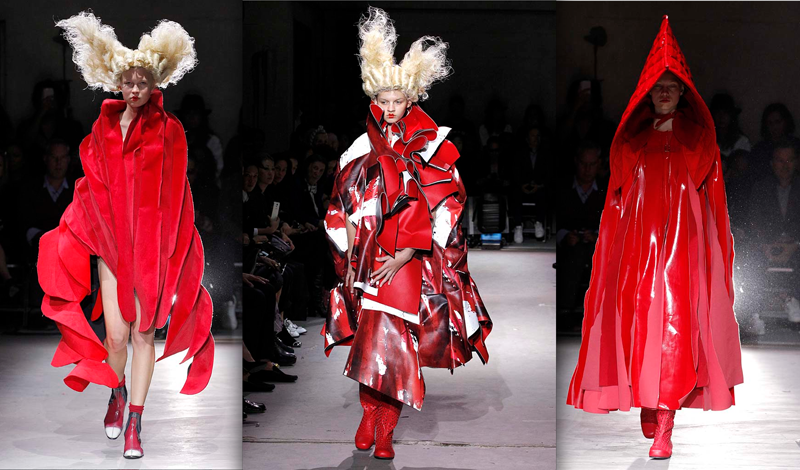
Fashion usually comes with a rulebook. Match this with that. Keep the silhouette clean. Don’t go too far. But what if a brand decided to rip that rulebook into tiny pieces and toss it into the wind? That’s exactly what Comme des Garçons has been doing for decades.
If most fashion houses aim to make you look “perfect,” Comme des Garçons asks a different question check at https://commedesgarcon.fr/: What if imperfect is more interesting? Instead of chasing trends, it creates its own strange, beautiful universe—one where holes, lumps, asymmetry, and chaos aren’t mistakes… they’re the point.
Let’s dive into the story, the philosophy, and the cultural impact of one of the most rebellious brands in fashion history.
Comme des Garçons
Founded in Tokyo in 1969 by Rei Kawakubo, Comme des Garçons (which means “like boys” in French) has never behaved like a typical fashion label. And honestly? That’s exactly why it’s legendary.
Rei Kawakubo didn’t even start as a trained fashion designer. She studied fine arts and literature. Maybe that’s why her clothes feel less like garments and more like walking sculptures. She approaches fashion the way an artist approaches a blank canvas — not asking “What will sell?” but “What can I express?”
By the early 1980s, Comme des Garçons stormed Paris Fashion Week and shocked everyone. Models walked the runway dressed in black, distressed fabrics, uneven hems, and torn textures. Critics called it “Hiroshima chic.” Some people hated it. Others were mesmerized.
But here’s the thing: when art challenges people, it’s usually doing something right.
Instead of glamorous dresses and flattering cuts, Kawakubo presented clothes that looked broken, unfinished, or deconstructed. It was fashion that refused to behave. And suddenly, the industry had to rethink what beauty really meant.
The Philosophy: Beauty in the Unexpected
Most brands design to make you look slimmer, taller, or more traditionally attractive. Comme des Garçons does the opposite sometimes.
Big shoulders. Odd bulges. Crooked seams. Volumes that hide the body.
Sounds strange, right?
But that’s exactly the magic.
Comme des Garçons doesn’t try to decorate the body — it questions the idea that clothing check at https://www.commedesgarcons.it/ must even follow the body at all. Some pieces feel like armor. Others feel like abstract art. Wearing them is less about “looking cute” and more about making a statement.
It’s almost like Kawakubo is whispering: Why fit in when you could stand out completely?
In a world drowning in copy-paste trends, that mindset feels refreshing.
Iconic Sub-Labels and Collections
One reason Comme des Garçons stays so influential is its universe of sub-brands. It’s not just one style — it’s many personalities under one roof.
Here are a few that fashion lovers obsess over:
Comme des Garçons PLAY
This is the most recognizable and accessible line. You’ve probably seen the famous heart-with-eyes logo designed by Filip Pagowski. Simple tees, hoodies, and sneakers with that cheeky red heart? Instantly iconic.
It’s streetwear-friendly and perfect for everyday wear, which makes it a gateway into the brand’s more experimental world.
Comme des Garçons Homme
More tailored and wearable, this line blends classic menswear with subtle twists. Think traditional jackets and trousers but with unexpected fabrics or proportions.
Comme des Garçons SHIRT
Playful, colorful, and slightly rebellious basics. It takes everyday pieces and gives them personality.
Each line feels like a different chapter of the same book — connected but unique.
The Influence on Streetwear and High Fashion
Here’s where things get interesting.
Even if you’ve never owned Comme des Garçons, you’ve probably seen its fingerprints everywhere.
Oversized fits?
Deconstructed garments?
Gender-neutral fashion?
Mixing luxury with streetwear?
Comme des Garçons helped normalize all of that.
Brands like Supreme, Off-White, and even Balenciaga owe a little something to Kawakubo’s fearless experimentation. The idea that fashion could be weird, conceptual, and still cool? That door was kicked open by CDG decades ago.
And let’s not forget the collaborations. From Nike to Converse to Louis Vuitton, Comme des Garçons visit at https://commedesgarcon.pl/ has mastered the art of blending high fashion with everyday culture. The CDG Converse Chuck Taylors, for example, are basically a streetwear staple at this point.
Why People Love It (or Don’t Get It)
Comme des Garçons isn’t for everyone — and that’s kind of the point.
Some people look at a runway piece and think, Who would wear that?
But fans see it differently. They see courage. Creativity. Freedom.
Wearing CDG feels like joining a secret club of people who appreciate design that challenges norms. It’s less about dressing to impress others and more about expressing who you are.
It’s like modern art. Not everyone understands it, but those who do? They really do.
The Legacy of Rei Kawakubo
Rei Kawakubo is often described as one of the most influential designers alive — and not just because of sales numbers.
In 2017, the Metropolitan Museum of Art honored her with a solo exhibition, something only a handful of designers have ever received. That tells you everything.
Her legacy isn’t just clothes. It’s a mindset:
Don’t follow. Don’t copy. Don’t compromise.
Create something new, even if people don’t understand it at first.
That philosophy has inspired generations of designers and creatives far beyond fashion.
Conclusion
Comme des Garçons isn’t just a brand — it’s a rebellion stitched into fabric.
While most labels chase trends like a dog chasing a ball, CDG quietly builds its own world, daring you to step inside. It teaches us that fashion doesn’t have to be safe or predictable. It can be strange, emotional, intellectual, even uncomfortable.
And maybe that’s the point.
Because sometimes the most beautiful things aren’t the ones that fit perfectly — they’re the ones that challenge the way we see everything.
So next time you spot that little heart logo or an oddly shaped jacket on a runway, remember: it’s not trying to blend in.
It’s trying to make you think.
And honestly? That’s what real style is all about.
