


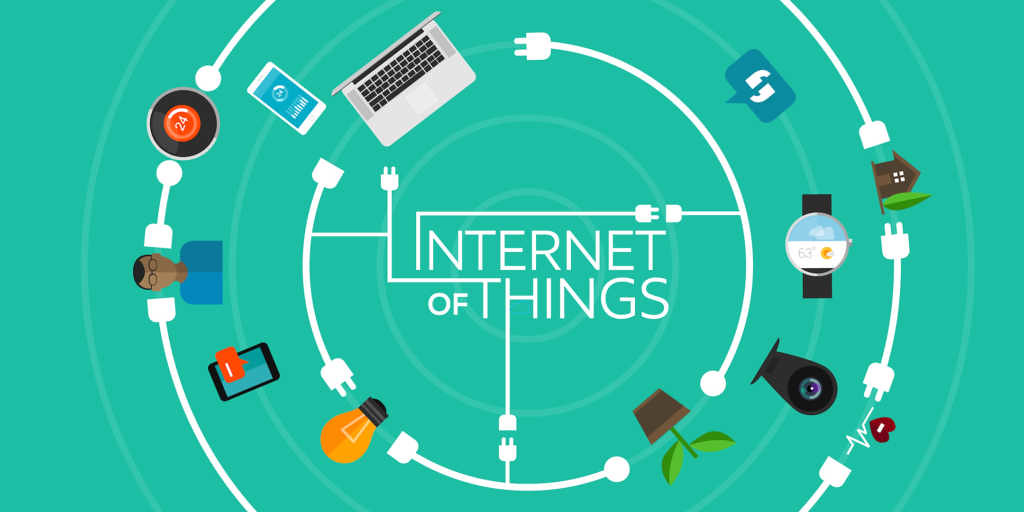
What is the Internet of Things (IoT)?
The Internet of Things (IoT) refers to the network of physical objects—devices, vehicles, appliances, and other items—that are embedded with sensors, software, and other technologies to connect and exchange data with other systems over the internet or a local network. In simple terms, IoT allows everyday objects to send and receive data, enabling them to interact with each other and their environment.
For example, smart home devices like thermostats, security cameras, and refrigerators are all part of the IoT ecosystem. These devices collect data, process it, and take actions based on it, such as adjusting the temperature or notifying homeowners of a security breach.
The power of IoT lies in its ability to collect real-time data from connected devices and provide actionable insights. This connectivity and data sharing can improve efficiency, streamline processes, and create new opportunities for innovation.
How Does IoT Work?
At its core, IoT involves three key components:
- Devices and Sensors
Devices and objects are embedded with sensors that collect data about their environment. These could be temperature sensors, motion detectors, or cameras, for example. These sensors gather data and send it to a central system for processing. - Connectivity
Once the data is collected, it is transmitted to a centralized platform or cloud system. The connectivity can be achieved through various methods, such as Wi-Fi, Bluetooth, cellular networks, or low-power wide-area networks (LPWAN). - Data Processing and Action
After the data is transmitted, it is processed and analyzed, often in the cloud. Based on the analysis, the system may trigger actions such as sending notifications, adjusting settings, or making decisions. For example, if a smart thermostat detects that the temperature in your home is too high, it may automatically lower the temperature.
Applications of IoT in Everyday Life
IoT has become an integral part of everyday life, and its applications span a wide range of industries. Here are some examples of how IoT is transforming different sectors:
- Smart Homes
IoT is widely used in smart home devices. Smart thermostats, like Nest, learn your heating and cooling preferences and adjust temperatures automatically. Smart lights and security cameras, such as Ring, help enhance home security and convenience. IoT-connected appliances like refrigerators, washing machines, and ovens can be monitored and controlled remotely via smartphone apps. - Healthcare
IoT is revolutionizing the healthcare industry with the development of wearable devices, such as fitness trackers, smartwatches, and medical monitoring devices. These devices can track vital signs, such as heart rate, blood pressure, and glucose levels, and send real-time data to healthcare providers. IoT in healthcare helps with remote monitoring, reducing hospital visits, and enabling timely interventions. - Transportation and Smart Vehicles
IoT is transforming the transportation industry by enabling features like vehicle tracking, fleet management, and predictive maintenance. Connected vehicles use IoT technologies to provide real-time data on their location, fuel usage, tire pressure, and engine health. Additionally, IoT plays a vital role in the development of autonomous vehicles, helping them communicate with each other and the surrounding environment. - Agriculture
In agriculture, IoT is used for precision farming. Sensors in the soil can monitor moisture levels, temperature, and nutrients, helping farmers optimize irrigation and fertilization. IoT-connected drones and machinery can also assist with planting, monitoring crop health, and harvesting, improving overall productivity and reducing waste. - Retail and Supply Chain Management
Retailers use IoT to track inventory in real-time, manage stock levels, and improve supply chain logistics. Smart shelves can alert staff when products are running low, and RFID tags help track products from the manufacturer to the consumer. This enables businesses to manage inventory more efficiently and enhance customer service. - Smart Cities
IoT is helping create smart cities by improving public services such as transportation, energy management, and waste management. For example, IoT sensors can monitor traffic flow and adjust traffic lights in real-time, reducing congestion. IoT-enabled waste bins can notify collection services when they are full, improving waste management efficiency.
Benefits of IoT for Businesses and Consumers
IoT offers a wide range of benefits to both businesses and consumers, driving efficiency, convenience, and innovation. Here’s how IoT adds value:
- Improved Efficiency
IoT enables businesses and individuals to automate processes and gather real-time data for better decision-making. For instance, businesses can use IoT to monitor equipment performance and predict maintenance needs, reducing downtime and improving productivity. - Cost Savings
IoT helps businesses optimize resource usage, whether it’s energy consumption, inventory management, or supply chain operations. By using IoT-enabled devices to monitor and control these processes, companies can reduce waste and save money. - Enhanced Customer Experience
For consumers, IoT devices offer convenience and personalization. Smart home devices, wearables, and connected appliances provide a higher level of customization and ease. Businesses can use IoT data to understand customer preferences and deliver personalized services, improving overall satisfaction. - Real-Time Data and Insights
IoT provides businesses with valuable real-time data that can improve decision-making. With IoT sensors and connected devices, businesses can monitor everything from customer behavior to supply chain operations, providing a comprehensive view of their operations and enabling better planning. - Increased Safety and Security
IoT improves safety by providing real-time monitoring and alerts. In smart homes, for example, IoT-enabled security systems can detect unauthorized entry and send alerts to homeowners or security services. In industries like manufacturing and healthcare, IoT devices can monitor workers’ health, alerting managers to any potential safety issues.
Challenges of IoT Adoption
While IoT offers significant benefits, there are challenges associated with its adoption. Here are some of the key hurdles:
- Security Concerns
IoT devices are vulnerable to cyberattacks, and a breach in one connected device can compromise an entire network. Ensuring the security of IoT systems is essential to protect sensitive data and prevent unauthorized access. - Data Privacy
With the vast amount of data generated by IoT devices, privacy concerns are a major issue. IoT devices collect personal data about users, and businesses need to implement robust data privacy measures to comply with regulations like GDPR. - Interoperability
IoT devices from different manufacturers may not always be compatible with each other, making it challenging to create seamless systems. Standardization across IoT platforms is necessary for smooth integration and communication between devices. - Data Management
IoT generates enormous amounts of data, which can be overwhelming for businesses to manage. Companies need to implement effective data storage and processing systems to analyze the data and derive meaningful insights. - Cost of Implementation
The cost of deploying IoT solutions, including devices, sensors, and network infrastructure, can be high. Small businesses may face financial barriers when implementing IoT, although the long-term benefits often outweigh the initial investment.
The Future of IoT: What’s Next?
The Internet of Things is rapidly evolving, and the future of IoT looks promising. Here are some trends and advancements to watch for:
- 5G Integration
The rollout of 5G networks will significantly enhance IoT capabilities. With faster speeds and lower latency, 5G will enable even more connected devices to communicate in real-time, opening up new possibilities for IoT applications like autonomous vehicles, smart cities, and remote healthcare. - Edge Computing
As the number of IoT devices grows, edge computing will become more important. Edge computing involves processing data closer to where it’s generated, rather than sending it to the cloud. This reduces latency and allows for faster decision-making, which is critical for applications like real-time monitoring and autonomous systems. - AI and IoT Integration
The integration of AI and IoT will enable devices to make smarter decisions without human intervention. For example, AI-powered IoT devices can analyze data and optimize processes autonomously, improving efficiency and reducing the need for manual oversight. - Smart Cities and Infrastructure
IoT will continue to play a central role in the development of smart cities. From intelligent traffic systems to energy-efficient buildings, IoT-enabled infrastructure will make cities more sustainable, efficient, and livable.
Conclusion: Embracing the Future with IoT
The Internet of Things (IoT) is transforming how we live and work by connecting devices and enabling smarter, more efficient operations. From smart homes to healthcare, transportation, and agriculture, IoT is driving innovation and improving productivity across industries.
As IoT continues to grow, it presents both opportunities and challenges for businesses and consumers alike. However, with proper security measures, data management, and interoperability, IoT has the potential to create a more connected, efficient, and sustainable future.
Businesses that embrace IoT today will be better positioned to take advantage of its benefits and stay competitive in the digital age.
Frequently Asked Questions (FAQs)
Q: What are some examples of IoT devices?
A: Examples include smart thermostats (like Nest), fitness trackers (like Fitbit), smart refrigerators, connected cars, and smart home security cameras (like Ring).
Q: How does IoT improve business operations?
A: IoT improves business operations by providing real-time data, optimizing resource use, automating processes, and enabling better decision-making based on insights gathered from connected devices.
Q: Is IoT safe to use?
A: While IoT offers many benefits, security is a concern. It’s important to ensure that IoT devices are properly secured, and businesses should implement cybersecurity measures to protect sensitive data and prevent unauthorized access.
Q: How does IoT impact everyday life?
A: IoT impacts everyday life by making homes smarter (e.g., controlling lighting and heating remotely), improving healthcare through remote monitoring, enhancing transportation with connected vehicles, and offering more personalized customer experiences.
Q: What is the role of 5G in IoT?
A: 5G will enhance IoT by providing faster speeds, lower latency, and the ability to connect more devices simultaneously. This will enable more advanced applications like autonomous vehicles, smart cities, and real-time industrial monitoring.
