


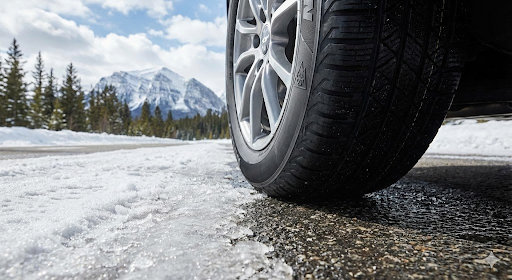
Canada, with its extreme winter season, is generally cold and wet, with a high chance of snow, making it the best place to use all-season tires. They can be used all year round, and thus they are also called four-season or all-season tires because they are designed to work in all weather environments.
All-weather tires are normally rated in mud and snow, which means they are applicable in light winter conditions, and also in dry conditions.
- What Are All Season Tires?
All-weather tyres, or all-season tyres, are only some of the numerous types of tyres available on the market today. They offer a happy medium – ideal for ensuring drivers remain on the road during the rainy season, the snowy season, and even during sunshine.
All weather tires Edmonton is basically a combination of summer tyres and winter tyres to provide a tire that has all the qualities of the aforementioned two, which will leave drivers with no worries about the weather, regardless of the conditions they will be faced with. Although not all-season car tyres will necessarily be as good as the performance of specialist summer or winter tyres in the two seasons in question, they do offer an acceptable combination of capabilities.
They are basically a crossbreed of summer and winter tyres, composed of an intermediate rubber compound that gives them good grip on warm, dry roads but will not harden as the season turns colder.
- All Season Tyres Advantages.
The benefits of having all-weather tires include:
No need to worry about switching your tyres between winter and summer – Buying two different sets of winter and summer tyres may be expensive, not to mention the cost of fitting them. All-season tyres eliminate the burden of owning and carrying multiple sets of tyres and can be used year-round.
Performs better compared to summer tires – Diversity of a combination of a special compound and a tread pattern. All season tires offer a superior grip when compared to summer tyres when driving in cold and wintry conditions.
A number of all-season tires are also identified as winter-ready, featuring the 3-Peak mountain snowflake print on the sidewall. This implies that the car tire has been certified for winter use and can also be fitted to cars in European nations where it is mandatory to install winter wheels during certain months.
Offers excellent performance during the summer compared to winter tires– All-weather tires are normally designed with a tread block ensuring that they will operate and give better handling on dry and warm roads as compared to their counterpart winter tires. Besides, even after the winter ends you are not compelled to change the tires immediately unless you really want to install specific tires for that season.
Ideal in Canada – Severe snow and ice are not common in most regions of Canada compared to parts of central Europe or other countries worldwide. That is why all weather tires Edmonton are perfect, as they are set to work with the less extreme weather in most Canadian regions, such as Edmonton, but still give tremendous wet grip, in case it starts raining.
- Are All-Season Tyres Worn Out More Quickly?
Tyres used in winter and summer do not wear out at the same rate, and combining them can be problematic, as it may lead to reduced performance and safety. All-season tyres are designed to be long-lasting and usually do not wear out as quickly as summer or winter tyres. They might, however, wear faster than seasonal tires when used in the right environments. Tyres are all-season tyres, and therefore their tread is below the legal limit.
- At What Time Should You Install All Season Tyres?
All season tyres are fitted at any time of the year since they have a special combination of tyre properties. Once your current tyres start wearing down too much, then it is a worthwhile gesture to replace them with all-season tires in case you do not feel like changing them every new season.
